Who We Are
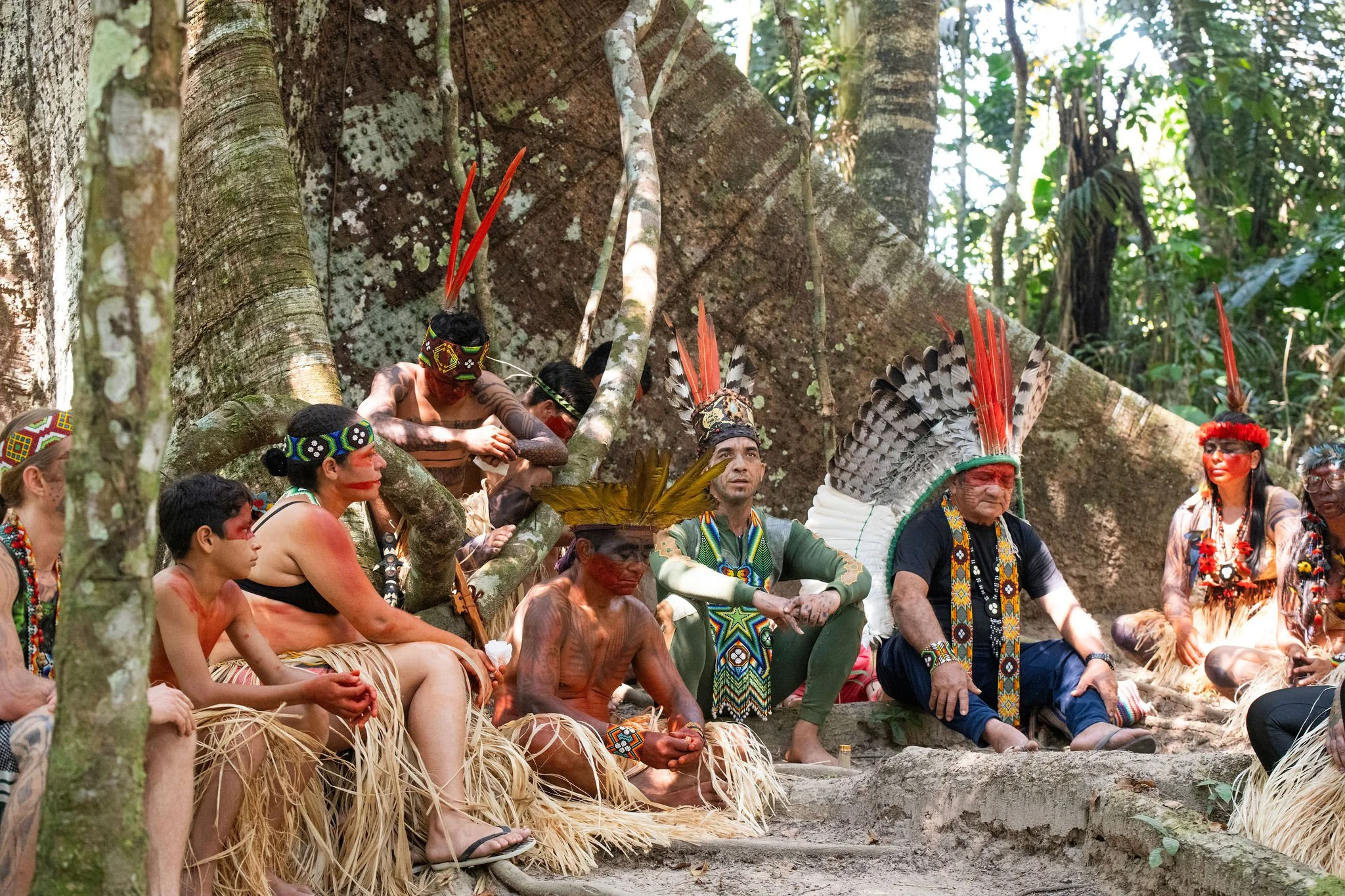
The lineage of the Kuntanawa people stretches back thousands of years. Through centuries of pain and hardship—including genocide in 1911 and slavery lasting until 1988—we have worked with sacred medicines to uplift our communities and help individuals find their place in an ever-changing world.
As guardians of over 250,000 acres of forest, we safeguard both the future of our people and humanity itself, restoring deforested areas and teaching sustainable ways to plant and nurture trees.
Your Impact
100% of retreat donations go directly back to the people, supporting:
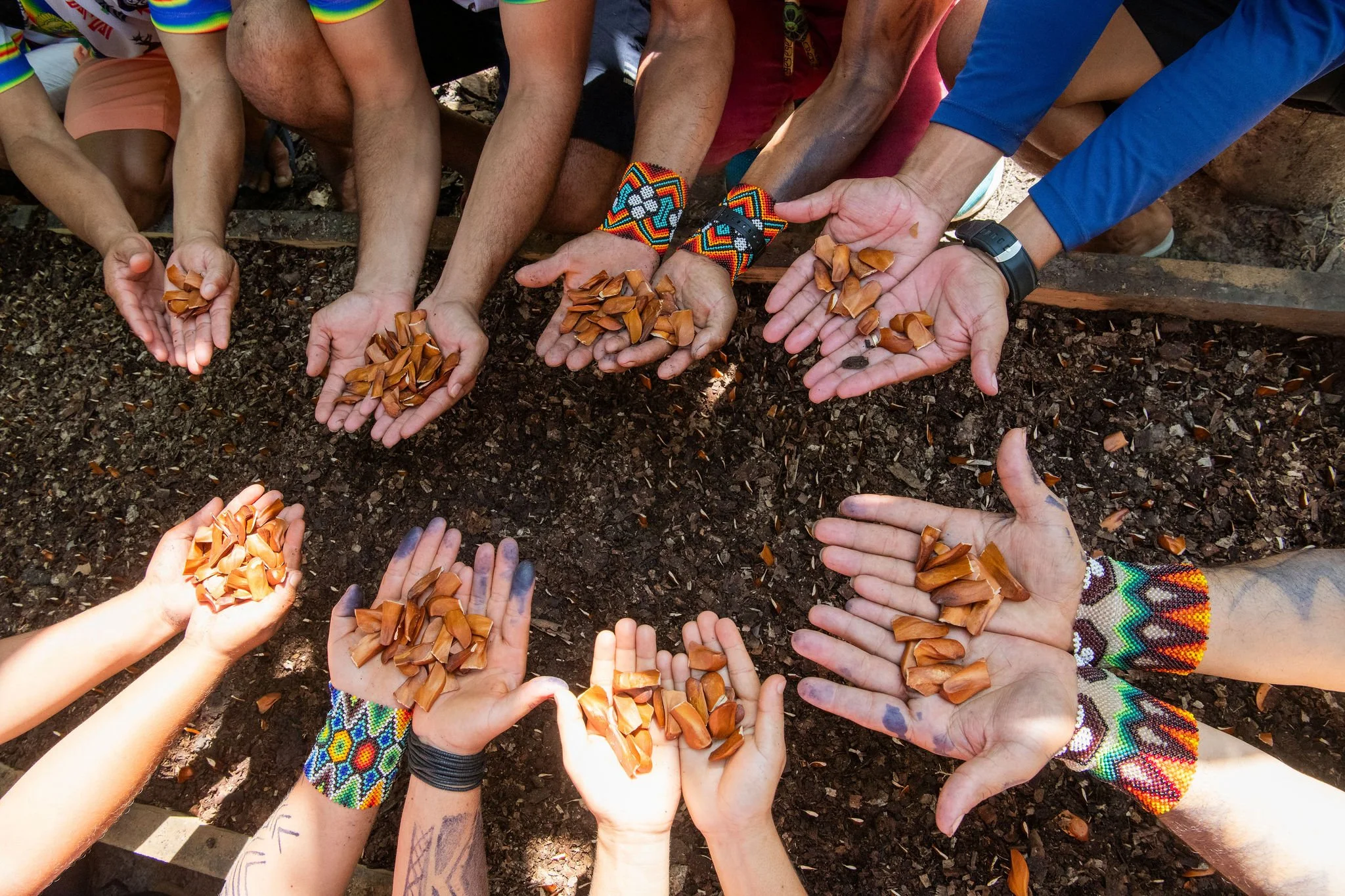
Reforestation of Amazonian lands
Cultural revitalization and community empowerment
Protection of ancestral territories through the demarcation process
Economic sustainability for 38 Indigenous and non-Indigenous communities
The survival and flourishing of the Kuntanawa Nation
.
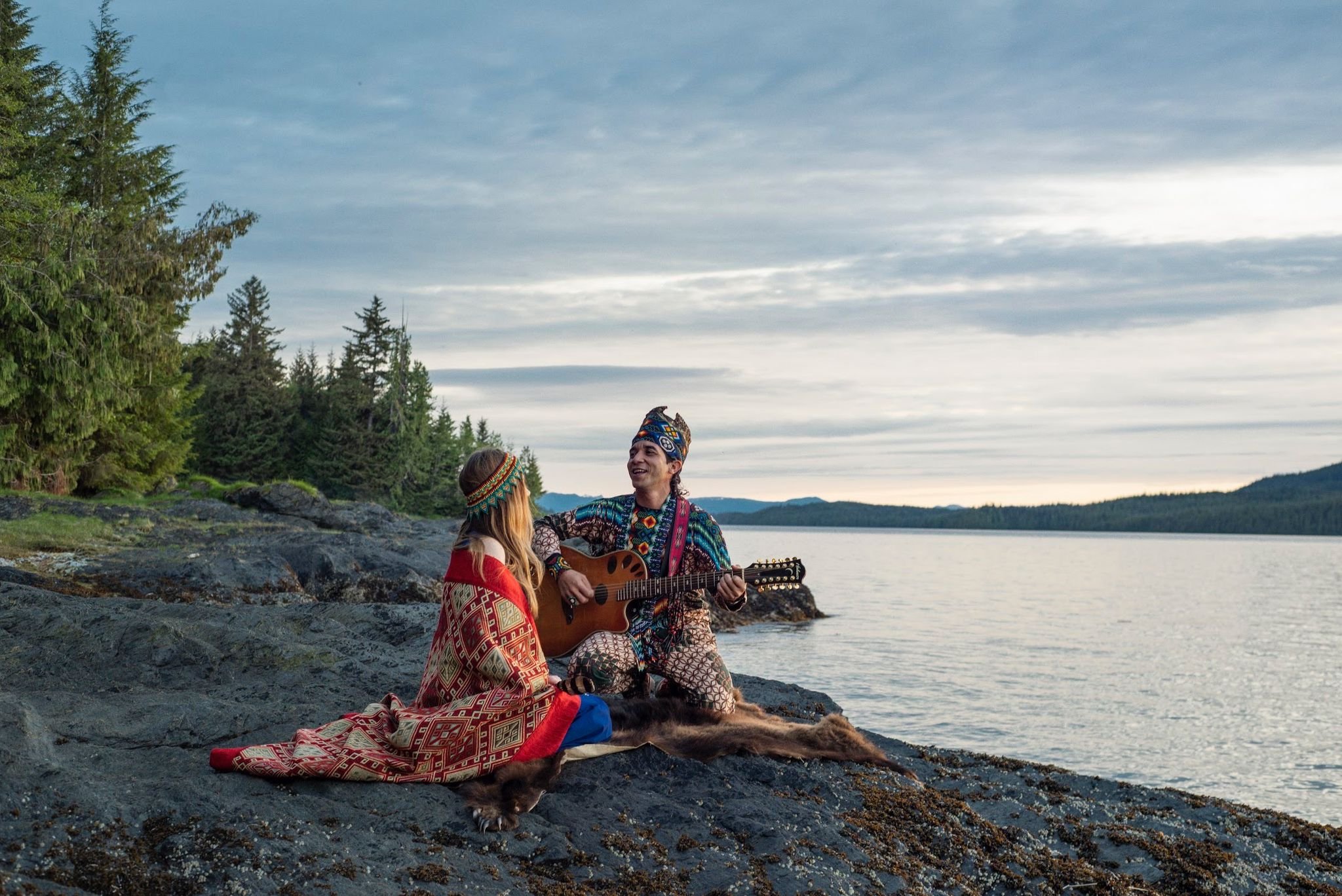
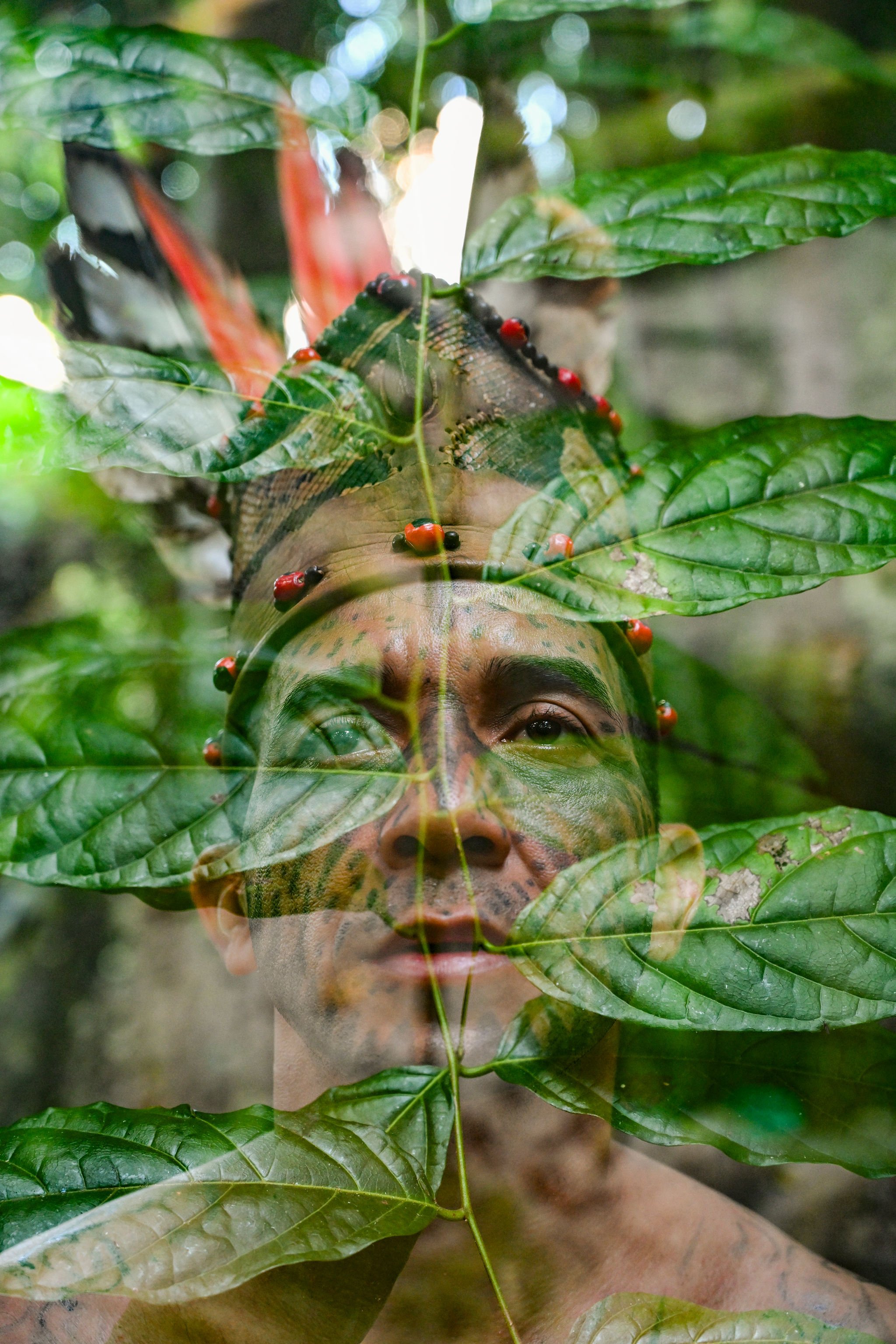
Prince Haru Kuntanawa
Leader of the Kuntanawa People | Global Indigenous Advocate | Environmental Guardian | Cultural Connector
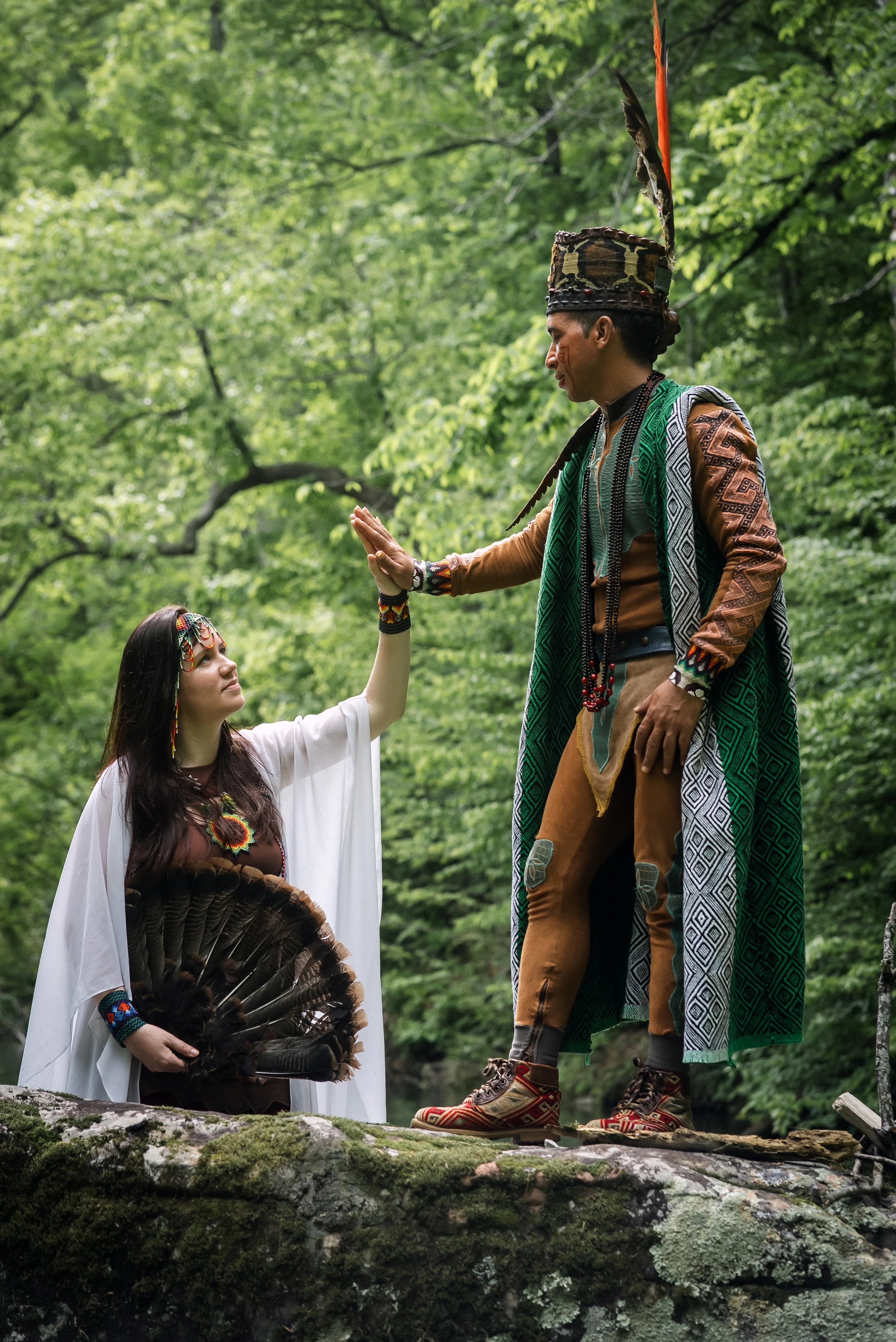
Prince Haru Kuntanawa, is the respected leader of the Kuntanawa Nation—an Indigenous people from the Brazilian Amazon. A global ambassador of Indigenous sovereignty, Haru is internationally recognized for his lifelong commitment to cultural preservation, sacred plant medicine, and the defense of Amazonian biodiversity.
He is the founder and president of ASCAK (Social Association of the Kuntanawa People), and also serves as the CEO of two USA-based organizations: Kuntanawa Nation and Kuntanawa Goods, which are dedicated to sustainable development, intercultural education, and fair trade rooted in ancestral wisdom.
As the visionary behind the Pano Corridor Project, Prince Haru works to unite Pano-speaking tribes across borders to protect the forest and strengthen Indigenous solidarity. In addition to his leadership and activism, Haru is a celebrated musical artist whose songs carry the voice of the forest, bridging tradition and contemporary expression.
Prince Haru currently serves as the Global Ambassador of SIGBA (Global Soccer Team of Brazil and the Americas), using sports as a tool to raise environmental awareness and uplift Indigenous youth throughout the continent.